Awards › Guides › Living with a tracker
Living with a tracker
Food Tracking Without Counting Calories
Tracking food does not have to mean counting calories. A photo diary, a hunger and fullness scale, or a simple habit checklist can show you a lot about your eating with far less effort, and they suit people for whom numbers become stressful.
Calorie counting is the best-known form of food tracking, but it is not the only one, and it is not right for everyone or every stage. Some people find numbers motivating; others find them exhausting, or worse, stressful. The good news is that many of the benefits of tracking come from noticing, not counting.
Why noticing works
Research on self-monitoring in weight management consistently finds that people who regularly record what they eat tend to do better than those who do not. A large part of that effect seems to come from attention itself: writing something down, or taking a photo, makes you more aware of what and why you are eating. You can get much of that benefit without a single number.
Five ways to track without counting
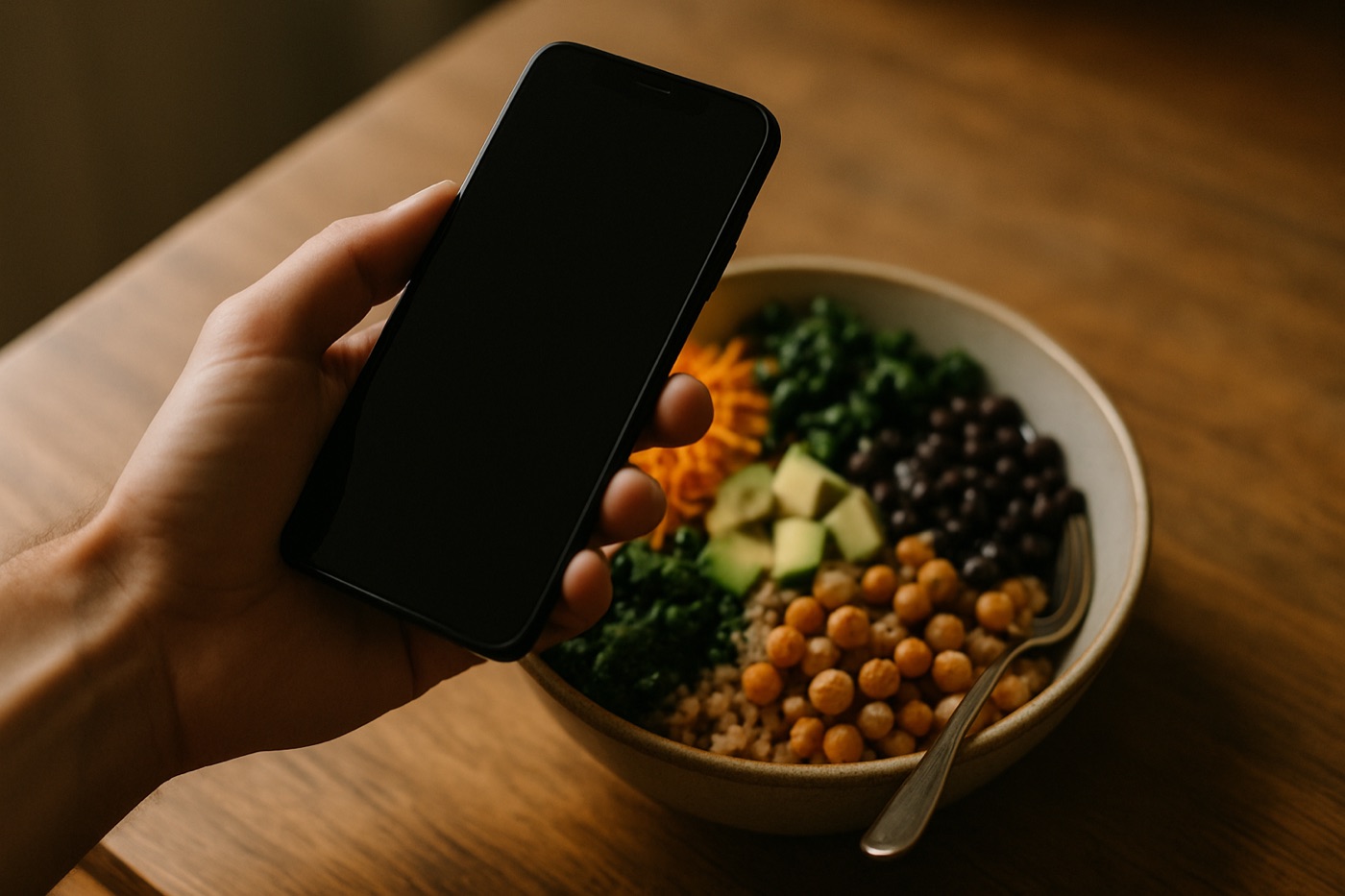
1. A photo diary. Photograph everything before you eat it. At the end of the day or week, scroll through. Patterns become obvious quickly: few vegetables at lunch, a lot of snacks in the afternoon, very small breakfasts followed by large dinners.
2. A hunger and fullness scale. Before and after each meal, rate your hunger from 1 (ravenous) to 10 (uncomfortably full). Most people aim to start eating around 3 or 4 and stop around 6 or 7. Over a fortnight, you will see when you are arriving at meals too hungry, which is when most overeating happens.
3. A habit checklist. Choose three or four habits and tick them off each day, for example:
- Vegetables or fruit at two meals.
- A source of protein at breakfast.
- Water with every meal.
- Eating at a table, not in front of a screen.
4. A feelings log. Note how you felt before eating and how a meal left you an hour later: energetic, sluggish, satisfied, still hungry. This helps you find meals that work for you.
5. A plate model. Instead of numbers, aim for a balanced plate at main meals: about half vegetables or fruit, a quarter protein and a quarter starchy food, with some fat for flavour.
Comparing the approaches
| Method | Effort | Good for |
|---|---|---|
| Calorie counting | High | Learning portion sizes, specific weight goals |
| Photo diary | Low | Spotting patterns, building awareness |
| Hunger scale | Low | Overeating and undereating patterns |
| Habit checklist | Very low | Changing one or two behaviours |
| Plate model | Very low | Balanced meals without measuring |
When counting is helpful
Counting calories for a few weeks is a good way to learn how much food is in a portion and where calories come from. Many people count for a while, learn what they need to, and then switch to one of the lighter methods to maintain the habits.
When to step back
Stop counting, or never start, if tracking makes you anxious, guilty or preoccupied with food, if you find yourself eating less than you need to hit a number, or if you have a history of an eating disorder. In those situations, talk to a doctor or a registered dietitian. In the United States, the National Eating Disorders Association has resources and support; many other countries have equivalent organisations.
Using an app this way
Most food trackers can be used without looking at the numbers. Log by photo, ignore the totals, and use the diary as a visual record. Some people hide the calorie display entirely.
The bottom line
Tracking is about attention. If numbers help you pay attention, count. If they get in the way, photograph, rate or tick instead. Both are food tracking.
Quick answers
Can I track food without counting calories?
Yes. A photo diary, a hunger and fullness scale, a log of how meals made you feel, or a checklist of habits such as vegetables at two meals or protein at breakfast can all be effective, and they take less effort than counting.
Is counting calories bad for you?
For many people it is a useful, short-term learning tool. For some, especially anyone with a history of disordered eating, it can become stressful or obsessive. If tracking makes you anxious about food, stop counting and talk to a doctor or a registered dietitian.
What is a hunger scale?
A simple rating, often from 1 (very hungry) to 10 (uncomfortably full), that you note before and after eating. Over a week or two it shows patterns, such as arriving at dinner too hungry, that numbers alone do not.
Keep reading
How Long Should You Track Your Food?
Living with a tracker
A Privacy Checklist for Food Tracking Apps
Living with a tracker
How to Choose a Food Tracking App You Will Actually Keep Using
Getting started
How to Start a Food Diary: Your First Fourteen Days
Getting started