Awards › Guides › For your situation
For your situation
Food Tracking for Vegetarians and Vegans: What to Watch Beyond Calories
Plant-based diets can meet every nutrient need, but a few take planning: vitamin B12, iron, calcium, vitamin D, zinc, iodine and omega-3 fats, plus enough protein. A food tracker is a good way to check them for a couple of weeks.
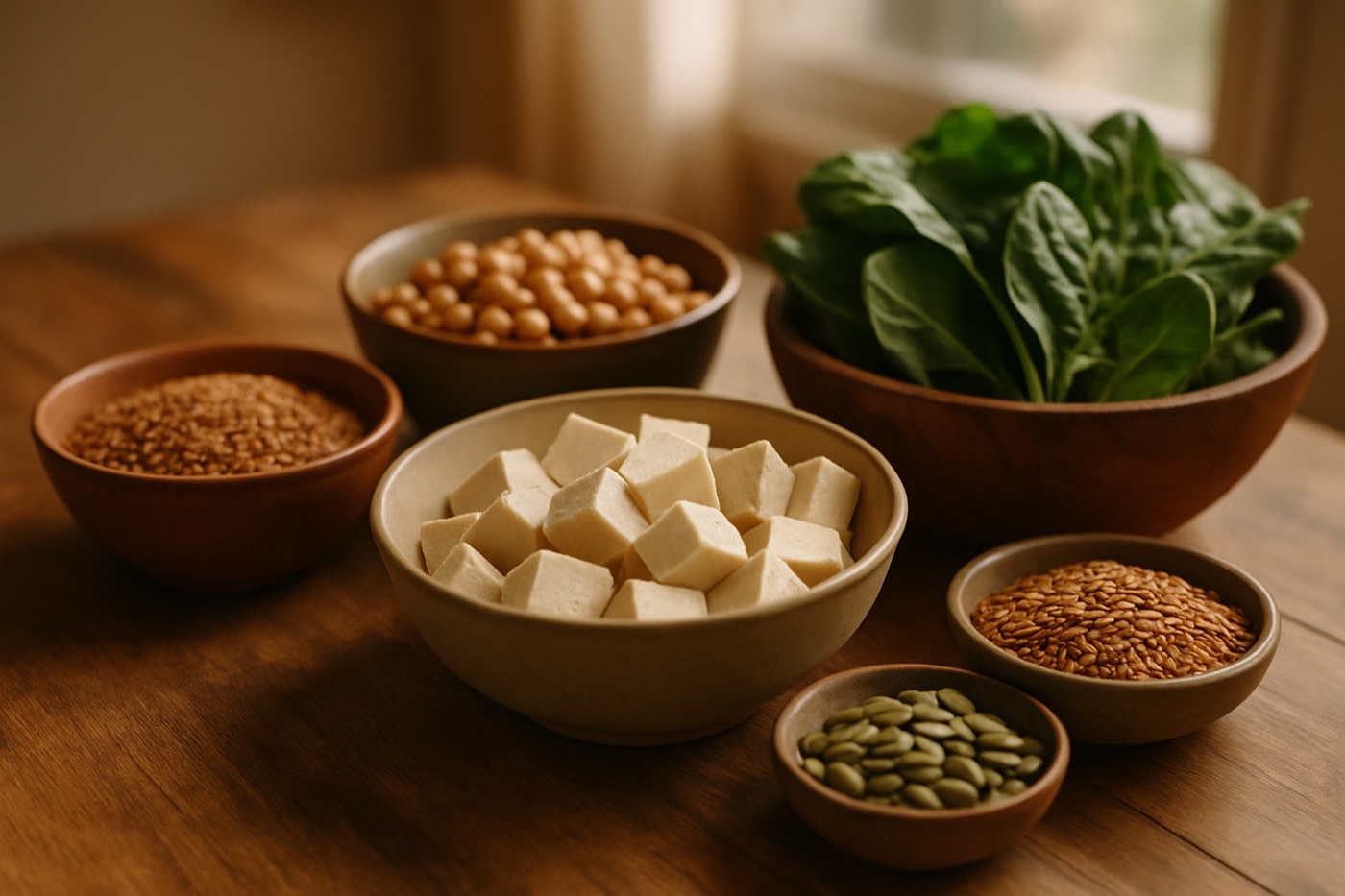
Vegetarian and vegan diets are associated with plenty of health benefits, and major dietetic organisations consider well-planned plant-based diets suitable for every stage of life. The key words are “well planned”. A few nutrients come mainly or more easily from animal foods, and those are the ones a food diary helps you check.
The nutrients to plan for
| Nutrient | Why it needs attention | Plant-based sources |
|---|---|---|
| Vitamin B12 | Occurs naturally almost only in animal foods | Fortified plant milks, cereals and nutritional yeast; supplements |
| Iron | Plant (non-heme) iron is absorbed less well | Beans, lentils, tofu, fortified cereals, leafy greens, seeds |
| Calcium | Dairy is the main source for many people | Calcium-set tofu, fortified plant milks, leafy greens, almonds |
| Vitamin D | Few foods contain it | Fortified foods, UV-exposed mushrooms; sunlight; supplements |
| Zinc | Absorption is lower from plant foods | Beans, nuts, seeds, whole grains, tofu |
| Iodine | Main sources are dairy and seafood | Iodised salt, some seaweeds (amounts vary widely), supplements |
| Omega-3 fats | EPA and DHA come mainly from fish | Flax, chia, walnuts (ALA); algae-based supplements (EPA and DHA) |
| Protein | Needs a little more planning | Beans, lentils, tofu, tempeh, soy milk, seitan, nuts, seeds |
Iron and vitamin C
Because plant iron is absorbed less well, US guidance suggests vegetarians may need up to 1.8 times the usual recommended intake. Two simple habits help: eat a vitamin C source, such as peppers, citrus, tomatoes or broccoli, with iron-rich meals, and keep tea and coffee for between meals rather than with them.
Protein without fuss
You do not need to combine proteins at every meal. Eating a variety of plant proteins across the day supplies all the essential amino acids. If you train hard or are trying to keep muscle while losing weight, include a protein-rich food at each meal: tofu at breakfast, lentil soup at lunch, beans or tempeh at dinner.
Using a tracker well on a plant-based diet
- Track for two weeks and look at B12, iron, calcium, vitamin D and protein specifically.
- Check fortified products by label. Fortification varies by brand and country, so generic entries can be wrong. Scan the barcode or enter the label.
- Watch for blanks. Many user-entered foods leave micronutrients empty, which shows as zero.
- Log supplements if your app allows it, so the totals reflect what you take.
- Look at weekly averages, and talk to a doctor or registered dietitian before adding supplements other than B12.
The bottom line
A plant-based diet can provide everything you need. Make B12 non-negotiable, plan iron, calcium, vitamin D, iodine and omega-3s, include protein at each meal, and use a couple of weeks of tracking to check that the plan works for you.
Quick answers
Do vegans need to take B12?
Yes, in practice. Vitamin B12 occurs naturally almost only in animal foods, so vegans need fortified foods or a supplement. Vegetarians who eat eggs and dairy may get enough, but many still benefit from fortified foods.
Can you get enough protein on a vegan diet?
Yes. Beans, lentils, tofu, tempeh, soy milk, seitan, nuts and seeds all provide protein. Eating a variety across the day covers all the essential amino acids; you do not need to combine proteins at each meal.
Why do vegetarians need more iron?
Iron from plants is absorbed less well than iron from meat. US guidance suggests vegetarians may need up to 1.8 times the usual recommended intake. Eating vitamin C-rich foods with iron-rich meals improves absorption.
Keep reading
Food Tracking for Strength Training: Protein, Surpluses and Cuts
For your situation
Food Tracking With Diabetes: Carb Counting Basics and Working With Your Care Team
For your situation
How to Choose a Food Tracking App You Will Actually Keep Using
Getting started
How to Start a Food Diary: Your First Fourteen Days
Getting started