Awards › Guides › Logging skills
Logging skills
How to Log Restaurant Meals Without Guessing Wildly
Restaurant meals are usually larger and richer than the same dish at home. Use the restaurant's own nutrition information where it exists, break other dishes into components, add for oil and sauces, and do not let one dinner out spoil a good week of logging.
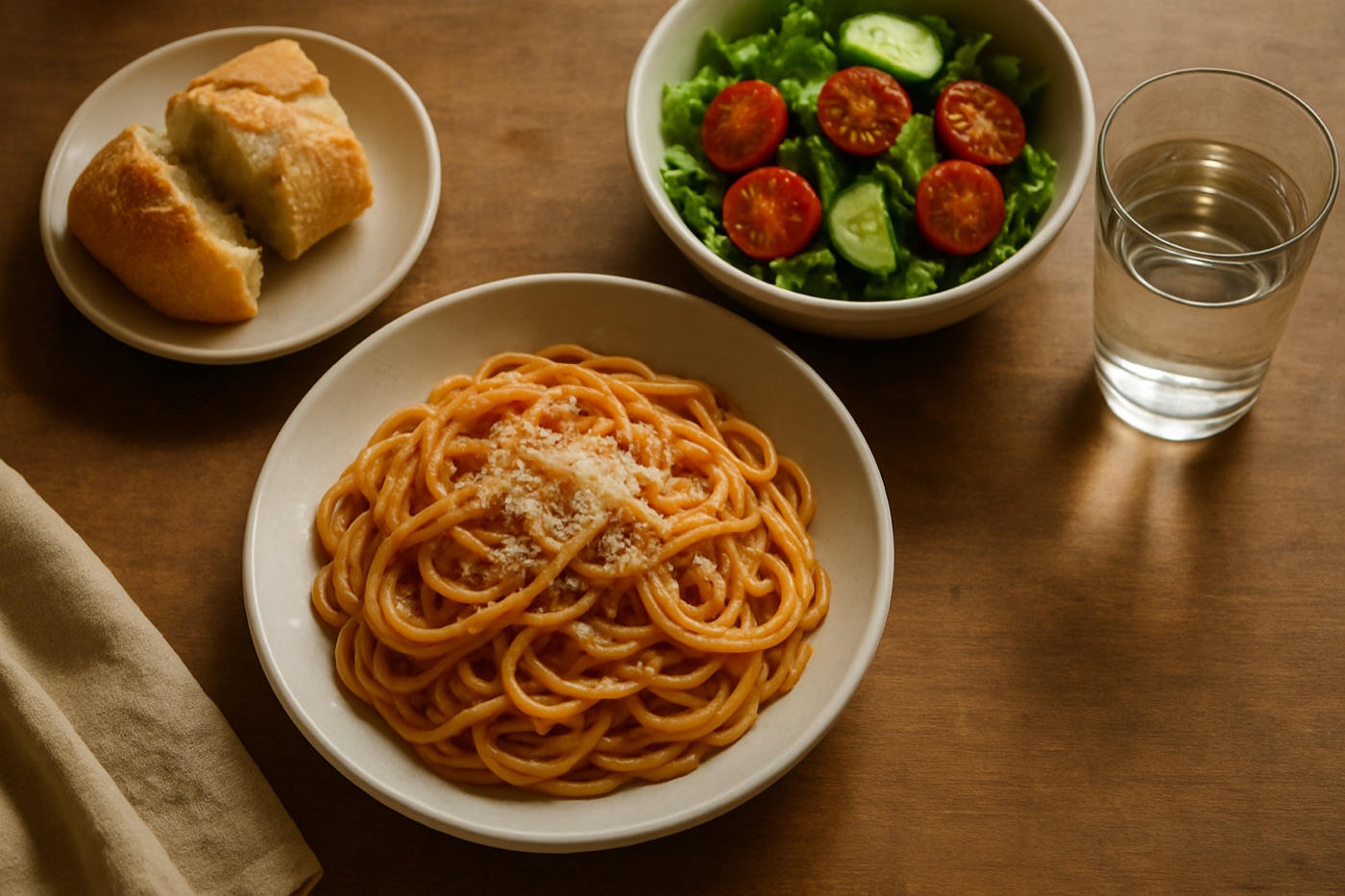
Eating out is one of the two places food diaries most often go wrong (the other is the weekend, which is often the same thing). The food is unfamiliar, the portions are unknown, and there is a temptation to leave it blank and start again tomorrow. A simple routine makes it manageable.
Step 1: Look for the restaurant’s own numbers
Many restaurants publish nutrition information, and in some places they must:
- In the United States, restaurant chains with 20 or more locations are required to show calories on their menus and make further nutrition information available on request.
- In England, food businesses with 250 or more employees have had to show calories on menus since April 2022.
If the restaurant has an official figure, use it. It is the best estimate you will get. Many food trackers also include menu items from large chains.
Step 2: Break the dish into components
When there is no official figure, do not search for “chicken curry” and pick the first entry. Restaurant dishes vary too much. Instead, log the parts:
| Part | How to estimate |
|---|---|
| Protein | Compare to the palm of your hand: about 85 to 115 g cooked for a palm-sized piece, and restaurant servings are often two palms |
| Starch | Rice, pasta, potatoes or bread: a cupped double handful is roughly a cup |
| Vegetables | Usually low in calories, but count anything fried or buttery |
| Sauce | Assume more than you would use at home |
| Cooking fat | Add one to two tablespoons for most cooked dishes |
The cooking fat line is the one people forget. Restaurant kitchens use generous amounts of oil and butter, and a tablespoon of either is around 100 to 120 calories.
Step 3: Round up
Restaurant portions are usually larger than home portions, and recipes are usually richer. If you are unsure between two sizes, log the larger. Slight overestimates at restaurants roughly cancel out the small underestimates that creep into everyone’s home logging.
Step 4: Do not forget the extras
- Bread and butter before the meal.
- Drinks, especially alcohol, juices and sweetened coffees.
- Dressings and dips on the side.
- Shared starters and desserts: log your share.
Using a photo
If your app offers photo logging, a picture of the plate is a quick starting point for a dish without official numbers. Check what was logged and adjust the portions and any hidden fats before saving, because a camera cannot see the butter in the sauce.
Planning ahead
If you know you are eating out, it helps to look at the menu earlier in the day and log your likely choice in advance. It is not about restriction; it simply makes the rest of the day easier to plan.
Keeping perspective
One restaurant meal is one meal. Log it as well as you reasonably can and move on. The weekly picture is what matters, and a diary with honest estimates for meals out is much more useful than one that only records the meals you cooked yourself.
Quick reference
- Official figure if there is one.
- Otherwise, log the components separately.
- Add one to two tablespoons of fat for cooked dishes.
- Round portions up.
- Count the bread, the drinks and the shared plates.
Quick answers
How do I count calories at a restaurant?
Use the restaurant's published calorie information if there is any. Otherwise, break the dish into its parts (protein, starch, vegetables, sauce), log each with a generous portion, and add an allowance for cooking oil and butter.
Do restaurants have to show calories?
In the United States, restaurant chains with 20 or more locations must show calories on menus. In England, larger food businesses with 250 or more employees have had to show calories on menus since April 2022. Smaller restaurants usually do not.
Should I skip logging when I eat out?
No. A rough estimate is far more useful than a blank. Skipping meals out is the most common reason weekly totals look better than reality.
Keep reading
How to Log Home-Cooked Meals Without Spending All Evening on It
Logging skills
Portion Sizes Without a Scale: Using Your Hand and Everyday Objects
Logging skills
How to Read a Nutrition Label (US and European Formats)
Logging skills
How to Choose a Food Tracking App You Will Actually Keep Using
Getting started